
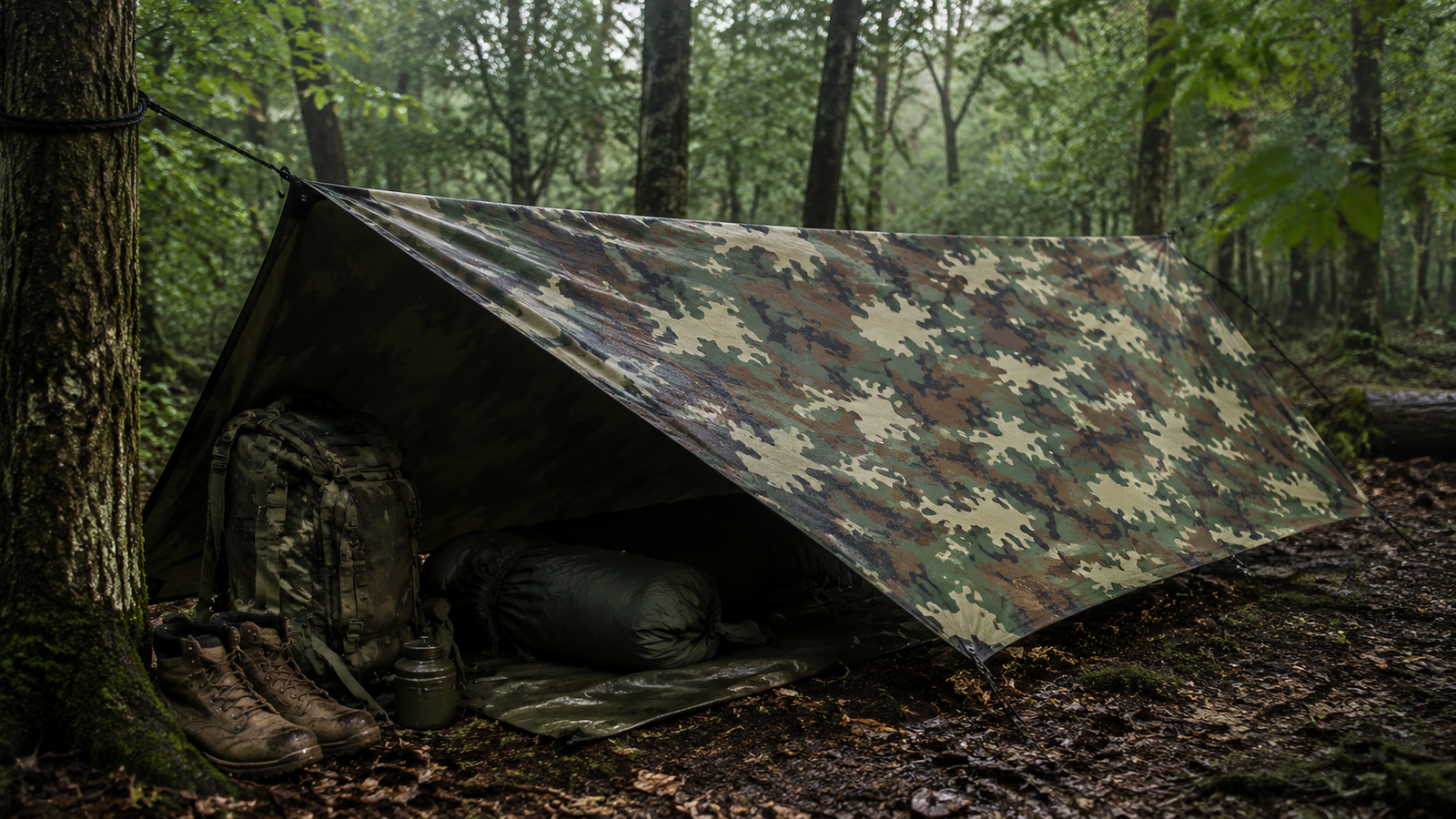

The term tarnplanen originates from the German language and is widely used in military, outdoor survival, camping, and industrial protection contexts. It refers to a camouflage tarpaulin or protective cover sheet designed to hide, shield, and protect objects or spaces from environmental conditions while blending into natural surroundings. This makes it an essential material in both tactical and everyday outdoor environments.
In modern usage, tarnplanen is valued for combining durability, waterproof protection, UV resistance, and concealment features in a single solution. From military bases to camping shelters, it is used wherever protection and invisibility are both required, making it a highly practical outdoor material.
Meaning and Origin of tarnplanen
The meaning of tarnplanen comes from the German words “Tarn” (camouflage) and “Planen” (tarpaulin or cover sheet). Together, they describe a protective camouflage sheet designed to hide objects while shielding them from environmental factors like rain, sun, and wind.
Historically, tarnplanen was first developed for military use in Europe, especially for concealing equipment, vehicles, and temporary shelters. Over time, its use expanded into civilian industries such as camping, hunting, logistics, and emergency survival systems where concealment and protection are equally important.
Structure and Material Composition of tarnplanen
Modern tarnplanen is manufactured using high-performance materials such as polyethylene, PVC-coated fabric, polyester, and ripstop nylon. Each material is selected based on the intended use, whether it is lightweight camping or heavy-duty industrial protection.
These materials are often enhanced with waterproof coatings, UV-resistant layers, and anti-tear reinforcement. This combination ensures that tarnplanen can withstand harsh weather conditions while maintaining its camouflage appearance and structural integrity over long periods.
Key Features and Functional Properties of tarnplanen
One of the most important features of tarnplanen is its ability to provide both camouflage and weather protection at the same time. It is designed to keep objects hidden from view while protecting them from rain, wind, sunlight, and dust.
Additionally, tarnplanen is lightweight, flexible, and highly durable. It can be easily folded, transported, and deployed in different environments, making it a reliable tool for both emergency and long-term outdoor use.
Types of tarnplanen and Their Variants
Military tarnplanen is designed for tactical operations, offering advanced camouflage patterns and high durability for battlefield conditions. It is used to hide vehicles, equipment, and personnel from detection.
Camping and hunting tarnplanen are lighter versions used for outdoor shelters, ground covers, and wildlife observation hides. Industrial variants are larger and stronger, designed for covering goods, machinery, and construction materials.
Applications and Real-World Uses of tarnplanen
In military operations, tarnplanen is used to conceal bases, vehicles, and strategic equipment from surveillance. It plays a key role in maintaining tactical advantage in field environments where visibility control is critical.
In civilian use, it is widely used for camping, hiking, hunting, and emergency shelter construction. It is also common in logistics and construction industries where it protects materials and equipment from environmental damage.
Advantages and Benefits of using tarnplanen
One of the main advantages of tarnplanen is its dual functionality, offering both protection and camouflage in one product. This makes it more efficient than standard tarpaulins that only provide weather protection.
It is also cost-effective, reusable, and easy to transport. Its long lifespan and resistance to harsh environmental conditions make it a practical solution for both personal and professional use.
Maintenance and Care of tarnplanen
To extend the lifespan of tarnplanen, it should always be cleaned and dried before storage. This prevents mold, mildew, and material degradation caused by moisture or dirt buildup.
It should also be stored in a dry, shaded area away from direct sunlight. Regular inspection for small tears or damage ensures that repairs can be made early, maintaining its strength and effectiveness.
Modern Importance of tarnplanen in Outdoor Industries
Today, tarnplanen is widely used across military, industrial, and recreational sectors due to its versatility and reliability. It remains an essential material for outdoor survival and tactical operations.
Its importance continues to grow with increasing outdoor activities and demand for portable protection systems. Whether in defense, logistics, or camping, tarnplanen plays a crucial role in modern outdoor solutions.
Conclusion
Tarnplanen represents a highly versatile camouflage protection system that combines durability, concealment, and weather resistance. Its applications range from military use to everyday outdoor survival and industrial protection.
With its strong material composition and multifunctional design, tarnplanen remains one of the most practical and widely used outdoor tools. It continues to evolve as a reliable solution for both professional and recreational environments.